Start here
Choose one headline moment and, if the schedule has room, one background activity. Put the headline moment after guests are seated and before the dance floor has momentum. Favor ideas the back table can follow and the venue can run from one clear cue.
Big moments the whole room experiences together
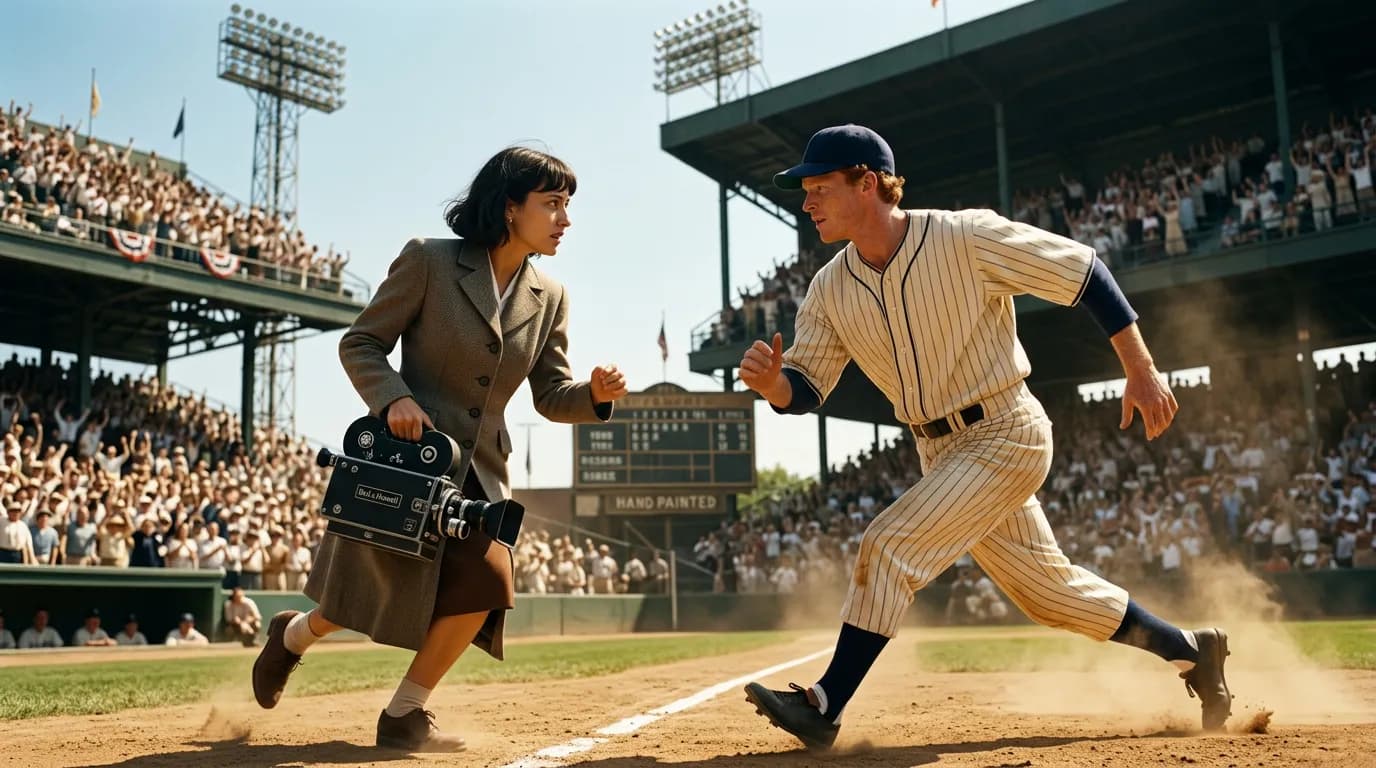
Premiere a movie starring the couple
Turn portraits into a short genre-hopping film and screen it after dinner. It works because every table understands it at the same moment—no instructions required.
A live-band reveal
Begin with one musician during cocktails, then reveal the full band from an unexpected part of the room for the first dance or final course.
A five-minute game show
Use two contestants, three questions, and a visible score. Keep it about the couple, pre-brief the participants, and end before the novelty fades.
A choreographed room entrance
Give each member of the wedding party one simple action. The entrances build on one another and can be rehearsed in an afternoon.
A live trailer for the speeches
Have the MC introduce each speaker with a ten-second fact, musical sting, or projected title card. It tightens the transitions and makes the program feel intentional.
A surprise guest performance
A singer, choir, instrumentalist, or culturally meaningful performer can shift the room immediately. Coordinate access and sound check without involving the couple.
Interactive ideas guests can join without being put on the spot
Table missions
Give each table one discreet mission—find the longest friendship, recreate a photo, or record a fifteen-second prediction—then reveal a few results later.
Audio guest book
Guests leave a voice message on a retro phone or simple recording station. Put one narrow prompt beside it to produce more varied answers.
Couple trivia with table answers
Give each table one answer sheet so nobody is singled out. Six questions is usually enough to create competition without delaying service.
Live illustrator or fashion sketches
Guests receive a small artifact and can watch it being made. Place the artist where a queue will not block service or the dance floor.
The story exchange
Each guest writes the first line of a favorite memory. The couple reads a curated handful, then guesses who wrote each one.
Disposable-camera assignment
Give each table a distinct shot list—best laugh, unexpected friendship, dramatic entrance—so the result is more useful than random snapshots.
Low-pressure entertainment that runs in the background
A beautifully edited silent loop
Project archival footage, family photos, and short captions without demanding everyone’s attention. Save sound and a fixed start time for the headline moment.
A proper portrait studio
Use deliberate lighting, one strong backdrop, and a photographer or remote shutter. The result feels connected to the wedding and gives guests a photograph worth keeping.
Lawn games with visual consistency
Choose two games and match their materials to the setting. Put them out during drinks, when guests are already moving around.
A listening bar
Guests select records connected to the couple and leave a note about the choice. A small host keeps the station moving and the volume appropriate.
A late-night food reveal
Treat the food as a timed event: change the lights, open a curtain, or send the trays in to one song. The staging makes the arrival feel like part of the program.
How to choose without over-programming the wedding
Match the energy gap
Use a collective spectacle when dinner needs a lift; use a background activity when guests already have plenty to talk about.
Allow for the transition
A five-minute feature needs extra time while people settle and microphones change hands. Build that transition into the schedule.
Give one person operational ownership
The best concept still needs a named person with the file, cue, cable, backup, and authority to start it.
Protect the dance floor
Finish the seated program before dancing begins. Restarting it later costs more energy than most activities can repay.
Common questions
How much wedding entertainment is enough?
For most receptions, one headline moment plus one optional background activity is plenty. Music, speeches, food service, and dancing already create a full program.
When should reception entertainment happen?
High-attention entertainment works well once dinner is settled and before dancing reaches full momentum. Background activities belong during cocktails, open transitions, or throughout the evening.
What works for guests of different ages?
Choose something visually clear, short, and rooted in the couple. Films, live music, concise quizzes, portrait-making, and audio messages work across age groups.
What does a venue need to screen a surprise video?
Ask for a screen or projector, speakers, the correct laptop input, and a local copy of the file. Test picture and sound in the room before guests arrive, not from the back office.